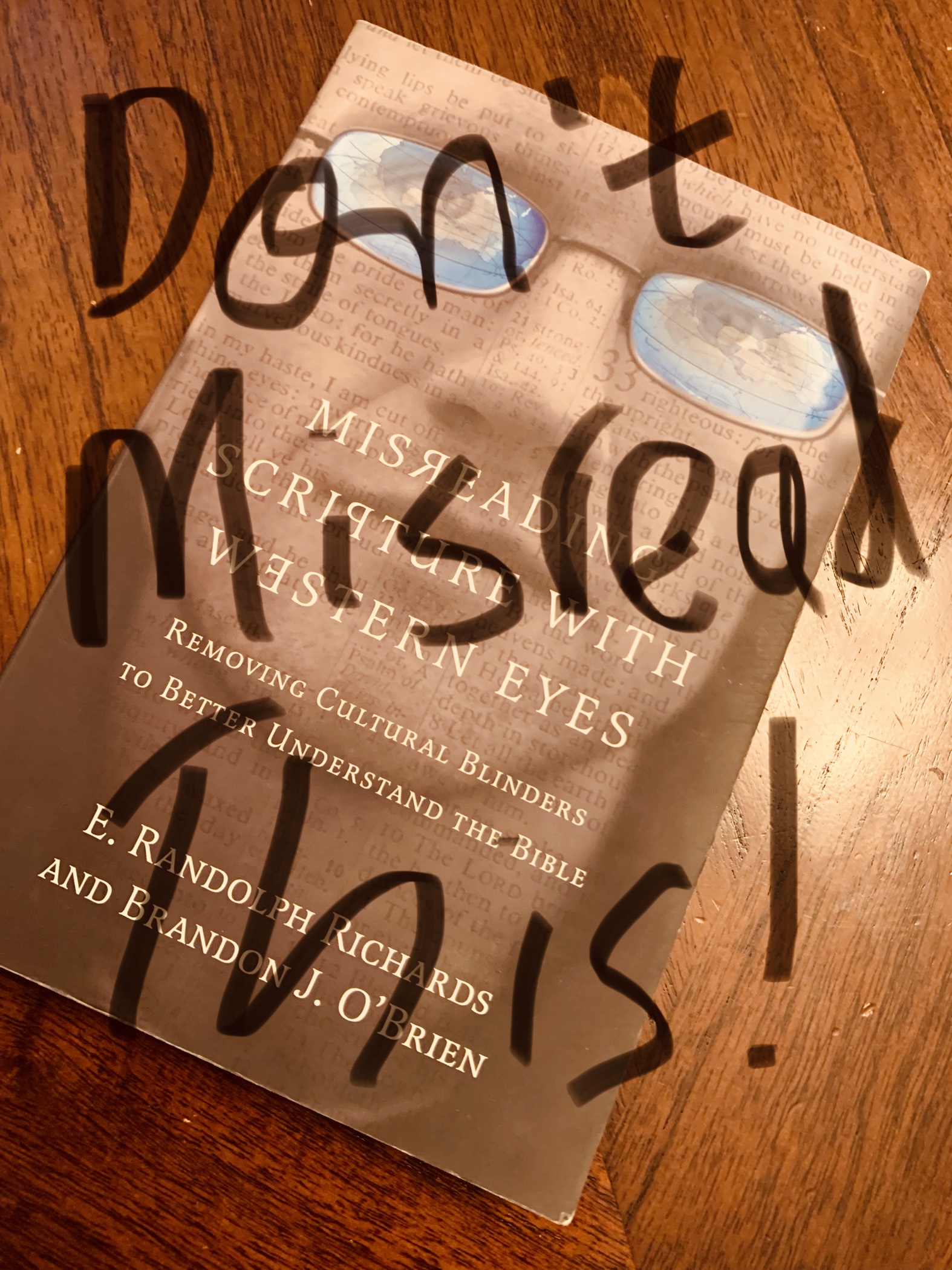
I have been inspired, challenged, and enlightened after reading this book. I never thought the Bible had such deep meaning and such strong cultural contexts. Half of my life so far was spent in Kenya and the other half has been spent in the United States. As I read the book, I discovered how my core cultural upbringing has shaped my thinking and also the ways in which I’ve been influenced by American culture. I have read the Bible correctly in many ways for many years and also mis-read it at times.
I will not give away all the content in the book so you can read it for yourself and grasp the intense implications of misreading scripture through the eyes of our culture. I will give you, however, my top three takeaways:
An Eternal Perspective
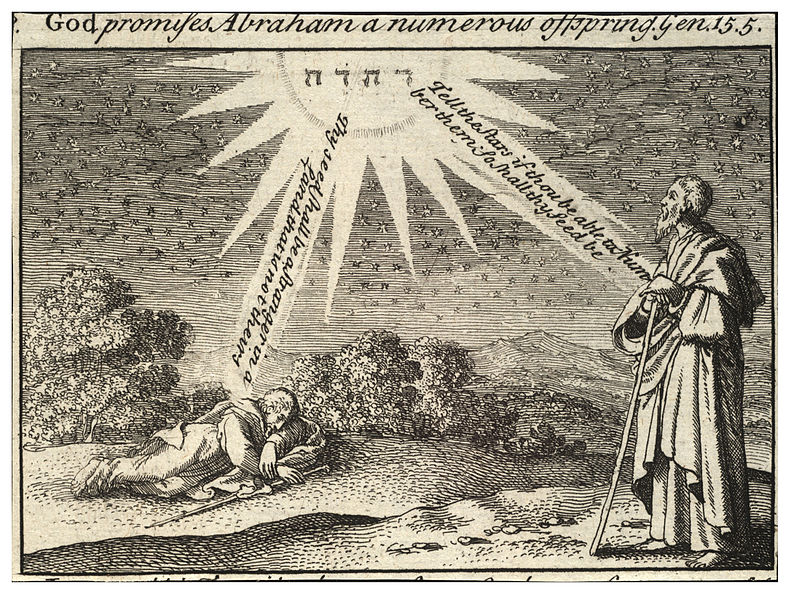
The bible was written to serve a community of believers and a family of God and not an individual. This means that majority of the promises outlined in the Bible are not for an individual separate from their community. At times, biblical promises are generational. God blessed Abraham and yet he never lived to see the fulfillment of the promises and yet we now represent Abraham’s descendants (“as numerous as the stars in the sky…”). Remember the song “Father Abraham has many sons, many sons of father Abraham. I am one of them, and so are you so let us praise the Lord…”
We have to come to terms with the concept of an eternal God and get away from the God of me, who fulfills only what He has promised me personally in my short time here on earth and not even consider it could be a generational or communal promise.
Faith in God
The way we approach God is highly dictated by our cultural background and perspectives. Advanced societies always tend to have a more sophisticated approach to their relationship with God. We do not give glory to God for the things we can scientifically explain. We simply explain them. In many eastern societies, God is seen as being responsible for both gains and loses and therefore very little can be explained away as coincidence, scientific, or man made calamities. This is the context in which the Bible was written. As our world advances technologically, we must work to maintain our faith in God, even as He graciously allows us to discover His hidden treasures in this vast world He has placed us in.
What Goes Without Being Said

Every culture has its own colloquialisms as well as phrases that have deeper meaning. They grow from traditions, environments, and languages used by the culture. The things that go ‘without being said’ can cause a lot of confusion for the reader of the Bible. Western culture is very matter of fact. We interpret scripture ‘as is’ and forget to see the hidden meaning let alone explore the things that go ‘without being said’ because they were universally understood in the culture in which the Bible was written. Eastern culture tends to have a more wide ranging view of the Bible. There are numerous scriptures that have these hidden perspectives of things that did not need an explanation.
Great read overall. It will challenge your mindsets, perspectives, and believes about certain elements of scripture. I’m still pondering this one statement: “If I was the only person in the earth, would Christ still have died for me?” Food for thought…



 Nelson Masinde