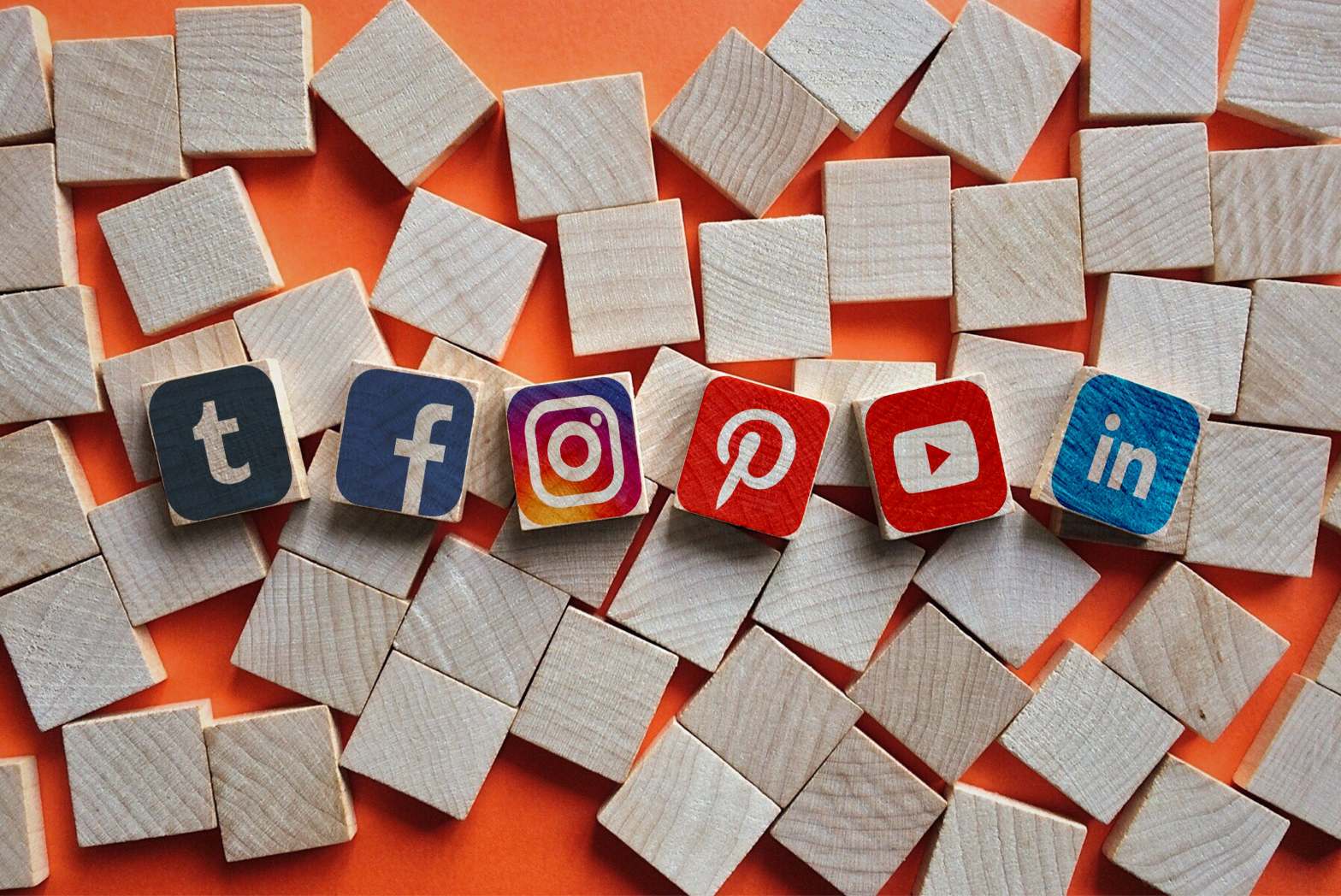
Beginning around 2003, we were introduced to the world of social media. MySpace was the first platform developed. It was followed a year later by Facebook, which was open only to college students. Mark Zuckerberg and some of his college buddies developed a friendship connection network while students at Harvard University (Wikipedia). At the time, it was only open to college students, which goes to show that people involved in the educational process are often the most intent on adapting to new technology. While MySpace quickly died out, Facebook succeeded because it was tested on a market that is ideal for new technology.
Fast forward to 15 years later. We now have over 300 social media platforms (social media map – ovrdrv.com). All these platforms are some of the most useful tools in education. Students can be taught how to conduct effective research on LinkedIn, develop job skills by researching business profiles, and establish their own professional network in preparation for entry into the work force. Facebook and Instagram can be used in Language Arts to develop a student’s ability to tell stories using photos and text. It also trains their ability to be brief and still engaging. Twitter can be used to teach students how to communicate effectively using short sentences while being aware that the whole world might see what you say. Youtube is great for video creation techniques and Pinterest for how-to blogs and infographics.

I have seen social media used for learning particularly with LinkedIn. Students are taught how to engage with potential employers and create a thriving professional network. I have also seen students use Facebook to conduct social research. Twitter is used a lot to evaluate and discover what the current trends in society are. Pinterest is widely searchable on Google for photos, instructional graphics, and a myriad of DIY solutions. I have seen students find their arts and crafts ideas, instructions on how to complete projects, and many other practical exercises using Pinterest.
I firmly believe that Social Media is the way of the future. I want to see the world of education made better because of it. My main concern would be the distractions possible with social media. It is easy to get caught in the drama and high activity on these media. It is also easy for students to get caught up doing things that are not beneficial to their learning. Just like any other media, social media must be closely monitored when being used by students. We should also enforce and require that they sign a strict social media policy since we have to ensure that they do not fall prey to predators, become predators themselves, or end up looking at adult content such as pornographic or violent content.
All in all, social media is great for education. Like anything digital, it must be heavily regulated in order to draw benefits from it and avoid the dangers that come with it.

 Nelson Masinde
Yes, new technologies and new uses are often derived from an educational setting. While I agree with you about learning to be concise, I worry it is too much of a shortcut where students miss things. Twitter is indeed a great place for snip bits of information, but often lacks context or proper language and etiquette. It also lacks certain protections needed in education and lacks certain restrictions on attacks. However, where one technology lacks, another will take its place. Youtube is a great example, where they themselves created a Youtube for kids. I find that the original technology is not suitable for education, but the idea and work has value in education and so we create new technologies, specific to education with those protections and restrictions in place to actively promote learning in that safe place students expect and demand. I really like your example of students using LinkedIn to engage in professional development. Because information is so readily available on social networks like Pinterest and instructions on projects, does this affect creativity or the “journey” to search for and find a project? I never thought of Pinterest in that way, but now that you mention it, it makes sense that students would use it as a resource. I completely agree that social networking is not going anywhere and is the future inside and out of education. I wish there was a better way to predict new technology outcomes and the effects it has on us sooner than later.
LikeLike